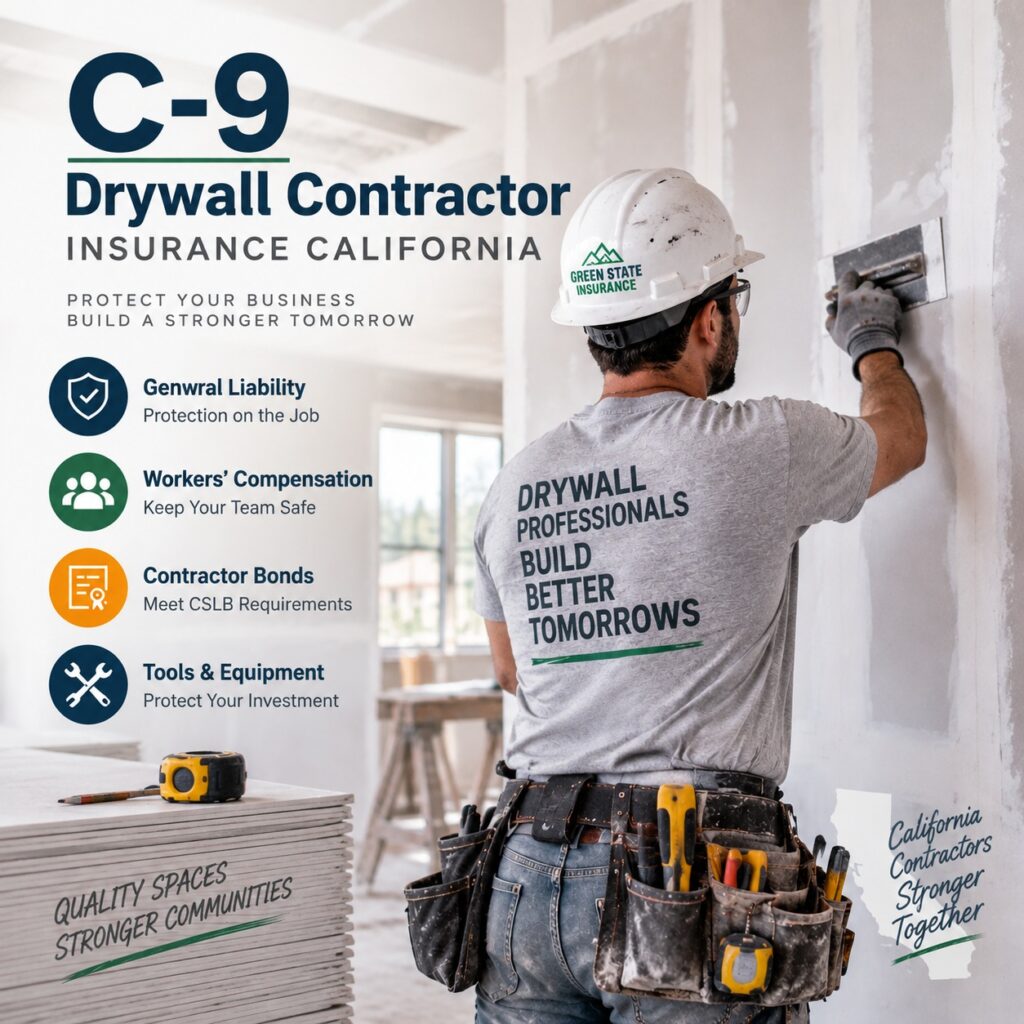
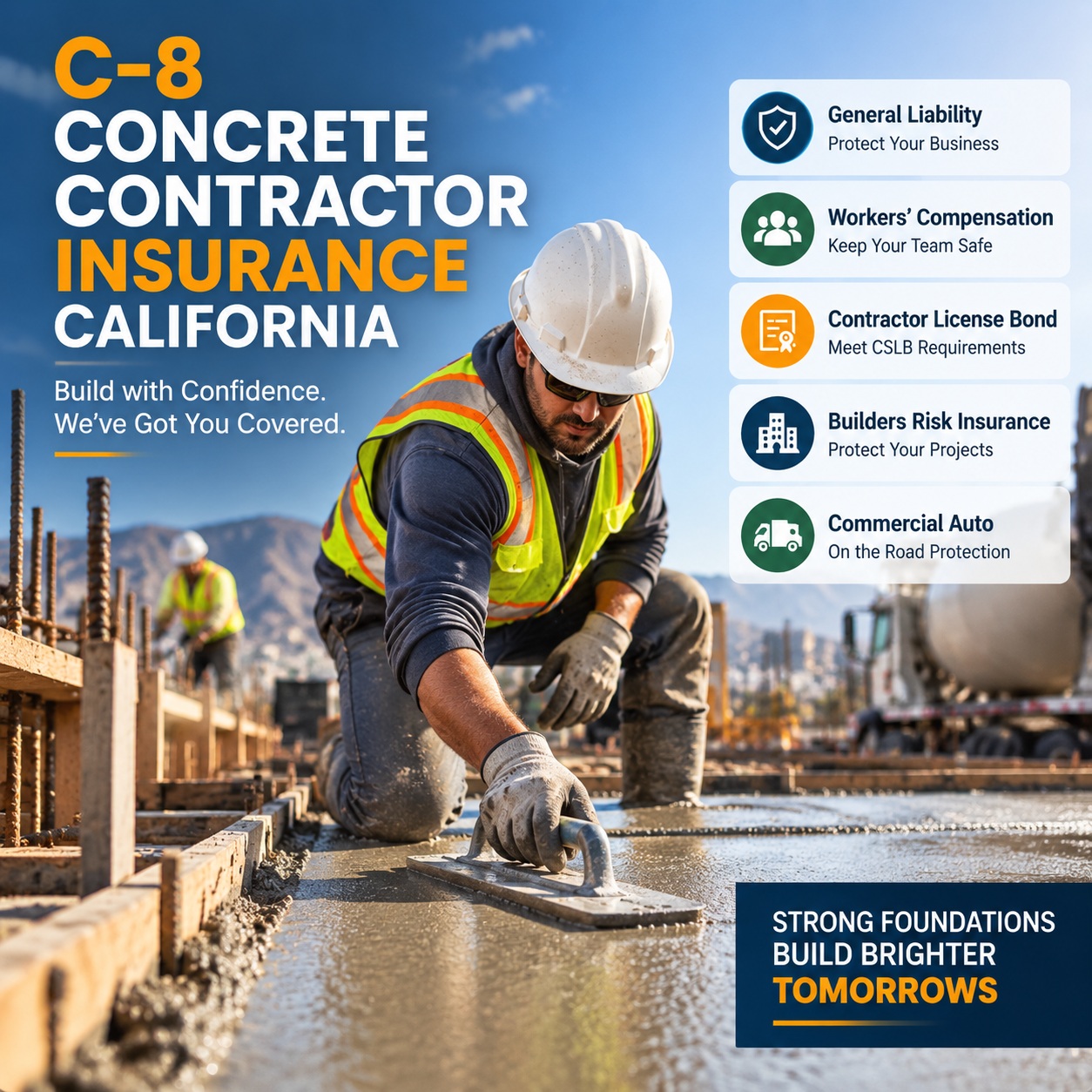

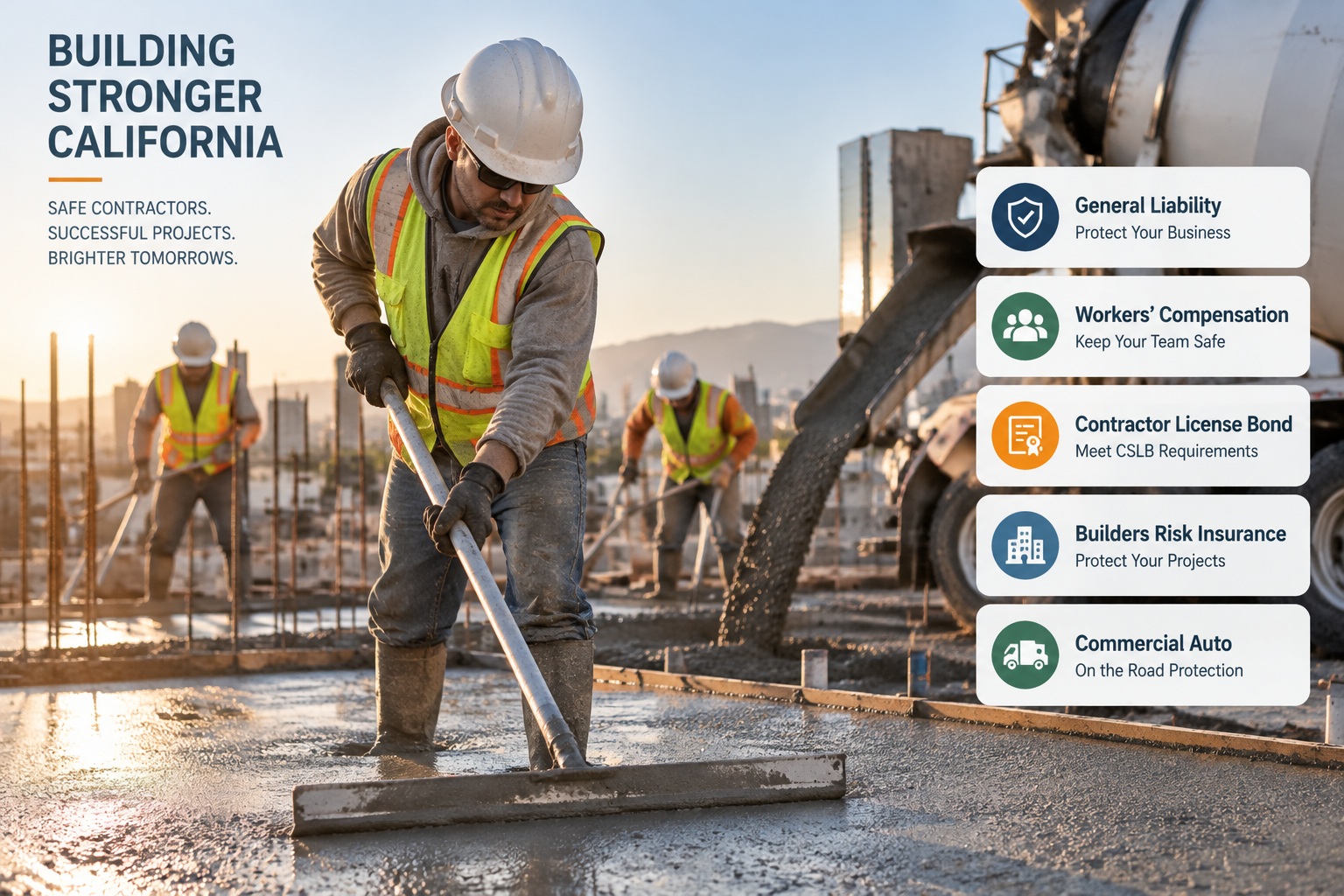
Concrete contractors in California work on some of the most physically demanding construction projects, from foundations and slabs to driveways, commercial structures, and large-scale developments. But one mistake on a concrete job site — such as property damage, a worker injury, equipment loss, or a construction defect claim — can quickly turn into thousands of dollars in unexpected expenses. C-8 Concrete Contractor Insurance California helps protect contractors from these risks by providing essential coverage such as general liability insurance, workers’ compensation, contractor bonds, and additional protection designed around concrete construction operations.
Whether you operate a small residential concrete business or handle large commercial projects, having the right insurance coverage is not only about protecting your company’s finances. Many general contractors, property owners, and construction managers require proof of insurance before allowing a concrete contractor to begin work.
C-8 Concrete Contractor Insurance at a Glance
Concrete contractors face risks ranging from job-site injuries and property damage to licensing requirements and losses during construction. Here is a quick look at the main coverages C-8 contractors should consider.
| Contractor Concern | Coverage to Consider | Why It Matters |
|---|---|---|
| Property damage or third-party injuries | General Liability Insurance |
Helps protect against eligible claims involving bodily injury, property damage, and construction-related liability. |
| Employee injuries on the job | Workers’ Compensation |
Provides important protection for workplace injuries and is generally required for California employers with employees. |
| CSLB licensing requirements | Contractor License Bond |
Helps contractors meet California licensing requirements and maintain an active contractor license. |
| Damage to a project while it is under construction | Builders Risk Insurance |
May help protect qualifying unfinished structures, construction materials, and project property from covered losses. |
| Bidding on bonded construction projects | Bid Bond |
May be required when submitting bids for certain public, commercial, or bonded construction projects. |
Complete Insurance Protection for California Concrete Contractors
Concrete contractors rarely face only one type of risk on a project. A single job may involve employees, heavy equipment, customer property, construction materials, and strict contract requirements. That is why many C-8 contractors combine multiple coverage options into a complete protection strategy. Starting with California contractor insurance helps businesses understand the core coverage needed for their trade, while additional protection such as Builders Risk Insurance California can help protect projects during the construction process. Contractors may also need a Contractor License Bond to maintain CSLB compliance and meet licensing requirements. For companies with employees, Workers’ Compensation Insurance provides essential protection against workplace injuries and helps businesses operate while meeting California requirements.
What Is a C-8 Concrete Contractor License in California?
The California Contractors State License Board (CSLB) classifies the C-8 Concrete Contractor as a specialty contractor authorized to install, repair, and perform concrete-related work.
C-8 contractors commonly perform services including:
- Concrete foundations
- Driveways and walkways
- Concrete slabs
- Decorative concrete
- Concrete structures
- Sidewalks and patios
- Concrete repair and restoration
Because concrete work often involves heavy machinery, structural elements, excavation, and permanent installations, contractors face higher exposure to property damage claims, workplace injuries, and construction defect disputes.
C-8 Concrete Contractor Insurance California: What Coverage Do You Need?
A proper insurance program for a concrete contractor is usually built around several types of coverage. The exact combination depends on your employees, project size, equipment, and contract requirements.
1. General Liability Insurance for Concrete Contractors
General liability insurance is one of the most important protections for a C-8 contractor.
Concrete projects can create significant liability risks, including:
- Damage to existing structures during concrete installation
- Cracks, uneven surfaces, or failed concrete work
- Accidental damage to underground utilities
- Third-party injuries at a construction site
For example, if a concrete contractor damages a customer’s property while preparing a foundation or a visitor gets injured on an active job site, general liability insurance can help cover eligible claims related to bodily injury and property damage.
Many California builders and general contractors require concrete contractors to provide proof of commercial general liability coverage before starting work.
2. Workers’ Compensation Insurance for Concrete Crews
Concrete work involves physical labor, heavy materials, power equipment, and demanding job-site conditions.
Common workplace injuries include:
- Back injuries from lifting concrete materials
- Falls from elevated surfaces
- Equipment-related accidents
- Hand and tool injuries
- Exposure to concrete chemicals
California employers are generally required to carry workers’ compensation insurance when they have employees.
Workers’ compensation can help provide:
- Medical treatment benefits
- Temporary disability payments
- Lost wage replacement
- Employee injury protections
For concrete contractors, workers’ compensation is especially important because job-site injuries can create significant financial exposure without proper coverage.
3. C-8 Contractor License Bond Requirements
California licensed contractors must maintain a contractor license bond required by the CSLB.
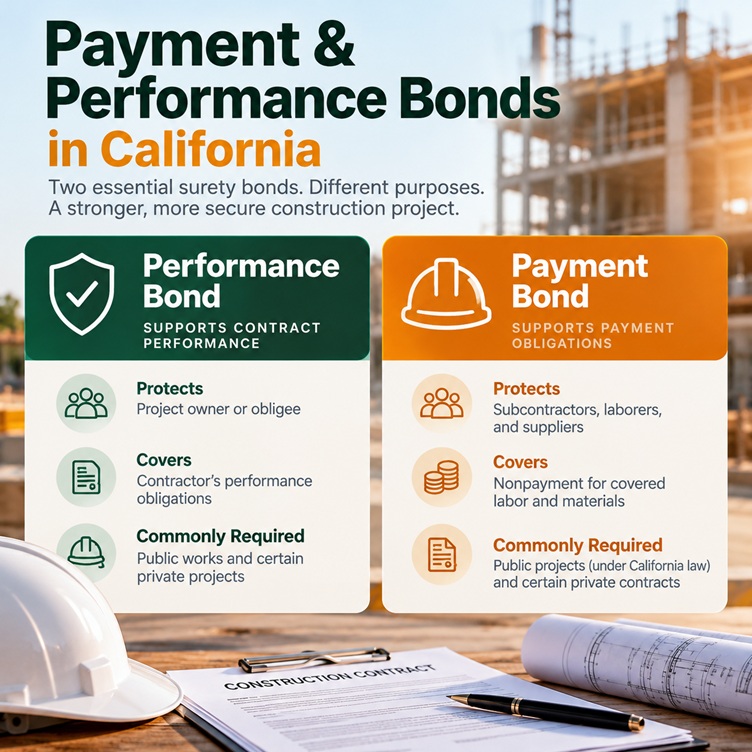
A surety bond is different from insurance. Insurance protects the contractor against covered losses, while a contractor bond provides financial protection for customers and other parties if the contractor fails to meet certain legal or contractual obligations.
Maintaining an active bond helps C-8 contractors:
- Keep their CSLB license active
- Meet licensing requirements
- Qualify for construction opportunities
- Build trust with customers and general contractors
c-8-concrete-contractor-insurance-california
4. Builders Risk Insurance for Concrete Projects
Concrete contractors are often involved in projects where materials and structures are still under construction.
Builders risk insurance can help protect qualifying construction property from covered events during the building process.
Examples include:
- Damage to unfinished structures
- Loss of construction materials
- Weather-related damage
- Certain construction-site losses
For contractors working on larger commercial or residential developments, builders risk coverage may be required by project owners or lenders.
5. Commercial Auto and Equipment Coverage
Concrete contractors rely heavily on vehicles, tools, and specialized equipment.
Coverage considerations may include:
- Work trucks
- Trailers
- Concrete tools
- Pumps and equipment
- Portable machinery
Personal auto policies typically do not provide the protection needed for business vehicles and commercial equipment used on construction sites.
How Much Does C-8 Concrete Contractor Insurance Cost in California?
The cost of C-8 Concrete Contractor Insurance California depends on several factors, including:
- Number of employees
- Annual payroll
- Business revenue
- Type of concrete work performed
- Residential vs commercial projects
- Claims history
- Coverage limits
Typical factors affecting pricing include:
| Coverage Type | Main Cost Factors |
|---|---|
| General Liability | Project size, revenue, claims history |
| Workers’ Compensation | Payroll, employee classification, safety history |
| Contractor Bond | Credit profile and bond requirements |
| Commercial Auto | Vehicles, drivers, usage |
| Equipment Coverage | Value of tools and machinery |
A contractor performing small residential concrete repairs will usually have different insurance needs than a company managing large commercial foundation projects.
Common Risks C-8 Concrete Contractors Should Avoid
1. Starting Projects Without Proper Insurance Documentation
Many contractors lose opportunities because they cannot provide a valid Certificate of Insurance (COI) when requested by a general contractor or project owner.
Keeping insurance documents updated helps avoid unnecessary project delays.
2. Underestimating Construction Defect Risks
Concrete failures can appear months or years after completion.
Issues such as:
- Cracking
- Settlement problems
- Improper installation
- Structural concerns
can lead to expensive disputes.
3. Not Protecting Tools and Equipment
Concrete contractors often carry expensive equipment between multiple job sites. Theft, damage, or loss of essential tools can interrupt operations and increase project costs.
Risk Management Tips for California Concrete Contractors
Strong risk management goes beyond purchasing insurance.
Concrete contractors should:
- Maintain proper job-site safety procedures
- Train employees on equipment operation
- Document project agreements
- Keep certificates of insurance updated
- Work with insurance professionals familiar with construction trades
A proactive approach helps reduce claims and protects long-term business stability.
How to Get C-8 Concrete Contractor Insurance California Coverage
Choosing the right insurance program requires understanding your specific construction activities, contract requirements, and licensing obligations.
Green State Insurance helps California contractors find coverage options designed for specialty trades, including liability insurance, workers’ compensation, contractor bonds, and construction-related protection.
Whether you need coverage for a residential concrete business or a larger commercial operation, having the right insurance strategy helps you work confidently and meet project requirements.
Get a customized California contractor insurance quote today and protect your C-8 concrete business from unexpected risks.
Frequently Asked Questions About C-8 Concrete Contractor Insurance California
What insurance does a C-8 concrete contractor need in California?
C-8 concrete contractors in California typically need general liability insurance, workers’ compensation insurance (if they have employees), a CSLB contractor license bond, and additional coverage such as commercial auto and equipment protection depending on their business operations.
How much does C-8 Concrete Contractor Insurance California cost in California?
The cost of C-8 concrete contractor insurance in California depends on factors such as business size, payroll, annual revenue, project type, coverage limits, claims history, and the number of employees. Small residential contractors usually have different insurance costs compared with companies working on large commercial concrete projects.
Is a contractor license bond required for a C-8 concrete contractor in California?
Yes. California licensed contractors must maintain a contractor license bond required by the California Contractors State License Board (CSLB). The bond helps protect consumers and ensures contractors meet certain legal and contractual obligations.
Does a concrete contractor need general liability insurance in California?
Yes. General liability insurance is one of the most important coverages for concrete contractors. It can help protect against third-party claims involving property damage, bodily injury, completed operations, and accidents that occur during construction projects.
Do C-8 contractors need workers’ compensation insurance?
If a concrete contractor has employees, California generally requires workers’ compensation insurance. Concrete work involves physical risks such as heavy lifting, equipment operation, falls, and job-site injuries, making this coverage an essential part of contractor protection.
Does builders risk insurance cover concrete construction projects?
Builders risk insurance may help protect qualifying construction projects during the building process, including certain losses involving unfinished structures, materials, and construction-related property. Coverage depends on the specific policy terms and project requirements.
Can a concrete contractor work without insurance in California?
Working without the required insurance coverage can create serious financial and legal risks. Many general contractors and project owners require proof of insurance before allowing a C-8 contractor to begin work.
What factors affect the cost of concrete contractor insurance?
Several factors influence insurance pricing, including:
- Type of concrete work performed
- Residential or commercial projects
- Number of employees
- Annual payroll
- Equipment and vehicles used
- Claims history
- Required coverage limits